
Get 12x12 Patio Cover for $5,537 + Tax
1. Define Your Purpose and Lifestyle Needs
Before selecting materials or sketching layouts, identify how you plan to use your outdoor area. Do you envision hosting family gatherings during warm Tennessee evenings, or are you looking for a quiet retreat to enjoy morning coffee? Understanding your primary activities will shape every decision that follows, from the size of your deck to the type of enclosure you choose.
Consider who will use the space most often. Families with young children may prioritize open sightlines and durable surfaces, while homeowners who entertain frequently might benefit from covered seating areas and built-in lighting. In Shelbyville, where summer heat can be intense and spring storms are common, planning for shade and weather protection becomes essential rather than optional.
Think about year-round usability as well. A three-season sunroom extends your outdoor enjoyment into cooler months, while motorized screens offer flexibility when insects are active. By clarifying your lifestyle needs upfront, you create a foundation for design choices that truly support how you live.
2. Assess Your Property and Site Conditions
Every property presents unique opportunities and challenges. Walk your yard during different times of day to observe sun patterns, natural shade, and drainage behavior after rainfall. These observations will inform placement decisions that maximize comfort and minimize long-term maintenance issues.
In Tennessee, soil composition and grading play critical roles in structural integrity. Poor drainage can undermine even the best-built deck or patio, leading to costly repairs down the road. Pay attention to existing slopes, water flow during storms, and how your land naturally settles. If you notice standing water or soft soil in potential build areas, these concerns need addressing during the foundation phase.
Also evaluate proximity to your home’s entry points, utility access, and existing landscaping you want to preserve. The best outdoor spaces feel like natural extensions of your interior rooms, with thoughtful transitions that make moving between indoors and outdoors seamless. Taking time to understand your site conditions upfront prevents surprises during construction and helps you design a space that works with your property rather than against it.
3. Choose Your Structure Type and Layout
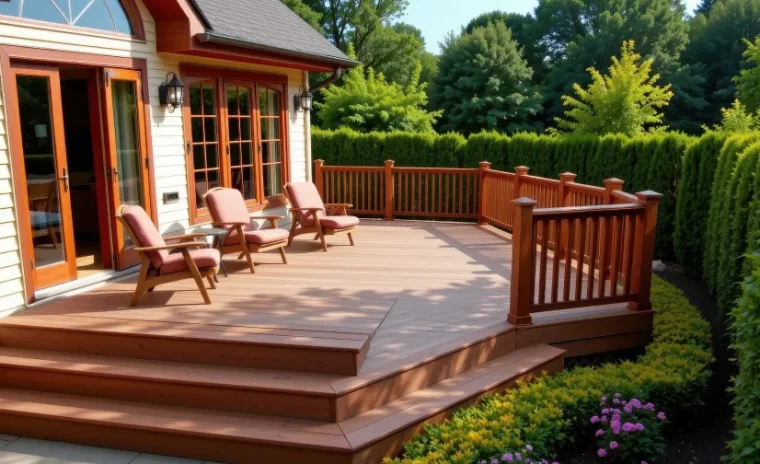
Once you understand your needs and site conditions, it is time to select the structure that best serves your vision. Composite decks offer low-maintenance durability and come in various finishes that complement different architectural styles. Patio covers provide essential shade and rain protection, extending usable hours throughout the day. Pergolas add visual interest and partial shade while maintaining an open-air feel, and sunrooms deliver climate-controlled comfort for year-round enjoyment.
Your layout should balance functionality with flow. Plan for distinct zones if space allows, such as a dining area near the house and a lounge zone farther out. Consider traffic patterns and how people will move through the space during gatherings. Avoid placing high-traffic walkways through seating areas, and ensure adequate clearance around furniture and features.
Scale matters significantly. A structure that is too small will feel cramped and limit your activities, while one that overwhelms your yard can look out of place and reduce usable lawn space. Sketch rough dimensions and use stakes or outdoor furniture to visualize the footprint before committing. This simple step helps you refine proportions and ensures the final design feels balanced within your property.
4. Select Materials Built for Tennessee Conditions
Material selection directly impacts both longevity and maintenance requirements. Composite decking resists moisture damage, does not splinter, and holds up well against temperature swings common in Tennessee. Unlike traditional wood, it does not require annual staining or sealing, making it ideal for homeowners who want lasting beauty without constant upkeep.
For covered structures, consider materials that handle humidity and resist fading under intense sun exposure. Aluminum frames and powder-coated finishes provide durability without the weight and maintenance demands of wood. Louvered patio covers offer adjustable shade control, letting you manage sunlight and ventilation based on weather conditions throughout the day.
When it comes to flooring, stamped concrete delivers both style and resilience. It handles freeze-thaw cycles better than many alternatives and can be customized to complement your home’s exterior. Pair it with quality drainage solutions to prevent water pooling, especially during Tennessee’s heavy spring rains. Choosing materials suited to local climate conditions means fewer repairs, lower maintenance costs, and a space that continues looking great year after year.
5. Plan for Comfort, Lighting, and Finishing Touches
A well-designed structure is only part of creating a space you will actually use. Comfort features like ceiling fans, motorized screens, and built-in seating make your outdoor area more inviting and functional. Screens keep insects at bay during summer evenings, while fans improve airflow and help manage heat without requiring full enclosure.
Lighting transforms your space after sunset and adds safety along walkways and stairs. Layered lighting works best, combining ambient fixtures for overall illumination, task lighting over dining or cooking areas, and accent lights to highlight architectural features or landscaping. Choose fixtures rated for outdoor use and consider energy-efficient LED options that reduce long-term operating costs.
Finally, think about how you will furnish and accessorize the space. Weather-resistant furniture, outdoor rugs, and potted plants add personality and warmth. Built-in storage keeps cushions and accessories protected when not in use. These finishing touches turn a construction project into a true extension of your home, a place where you will want to spend time throughout the seasons. When you work with a builder who understands both structure and livability, like those serving the Shelbyville area, you gain a partner who can help you balance aesthetics with practical function from the first planning conversation through final installation.
