
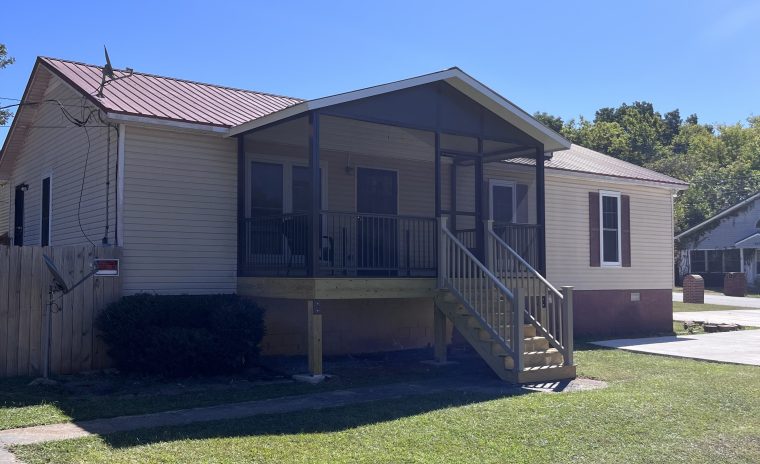
Get 12x12 Patio Cover for $5,537 + Tax
Build Your Dream Outdoor Space Without the Regret
Introduction to Outdoor Enclosures
Building a sunroom or patio enclosure represents a significant investment in your home and lifestyle. When done correctly, these additions create comfortable spaces where you can enjoy the outdoors year-round while adding substantial value to your property. However, the difference between a successful project and a disappointing outcome often comes down to avoiding critical mistakes during the planning and construction process.
In Shelbyville and throughout Middle Tennessee, we experience unique weather patterns that make proper planning essential. From humid summers that can reach the mid-90s to winter temperatures that occasionally dip below freezing, your outdoor enclosure must withstand real seasonal demands. Many homeowners rush into these projects without understanding the technical requirements, local building codes, or design considerations that make the difference between a space they love and one they regret.
This guide identifies seven costly mistakes that homeowners frequently make when adding sunrooms or patio enclosures. By understanding these pitfalls before you begin, you can make informed decisions that result in a beautiful, functional space that serves your family for decades. Whether you are considering a screened porch, a three-season room, or a fully insulated sunroom, these insights will help you approach your project with confidence.
Mistake One: Insufficient Planning and Design
The most expensive mistake homeowners make is failing to plan adequately before construction begins. Many people focus solely on aesthetics without considering how they will actually use the space throughout the year. A sunroom that looks beautiful in a magazine may not suit your climate, your home’s architecture, or your lifestyle needs.
Proper planning begins with defining your purpose. Will this be a year-round living space requiring full heating and cooling integration? Are you looking for a three-season room to extend your outdoor enjoyment? Do you need protection from insects while maintaining airflow during warm months? Each answer leads to different structural requirements, material selections, and budget considerations.
Site evaluation is equally critical. The orientation of your addition affects sun exposure, energy efficiency, and comfort. A west-facing sunroom in Tennessee receives intense afternoon sun that can make the space unbearably hot without proper planning. Foundation requirements vary based on soil conditions and existing structures. Drainage patterns must be assessed to prevent water issues that could compromise your investment.
Skipping professional design services to save money often backfires. Qualified builders bring experience with local conditions, building codes, and practical design solutions that prevent costly corrections later. They can identify structural challenges, recommend appropriate materials for Tennessee weather, and create detailed plans that ensure your vision becomes reality. The modest cost of proper planning pays dividends by avoiding expensive mistakes during construction.
Mistake Two: Choosing Low-Quality Materials
Choosing inferior materials to reduce initial costs creates long-term problems that far exceed any upfront savings. Sunrooms and patio enclosures face constant exposure to sunlight, temperature fluctuations, humidity, and precipitation. Materials that seem adequate during installation can fail prematurely when subjected to these conditions year after year.
Windows represent the most critical component of any enclosure. Single-pane glass may cost less initially, but it provides virtually no insulation, leading to uncomfortable temperature extremes and high energy costs. Condensation forms on cold surfaces during winter, potentially causing water damage and mold growth. Low-quality frames warp, crack, or corrode over time, compromising both appearance and function.
Roofing materials deserve equally careful consideration. A sunroom roof endures more direct sun exposure than your main house roof. Standard shingles may deteriorate rapidly, while inappropriate materials can turn your addition into an oven during summer months. Proper insulation, ventilation, and reflective or thermally efficient roofing prevent these problems while maintaining comfort.
Framing and structural components must withstand both weight loads and weather exposure. Pressure-treated lumber, aluminum, or vinyl framing systems each offer different benefits depending on your specific application. Fasteners, sealants, and flashing materials matter more than many homeowners realize. These seemingly minor components prevent water intrusion that causes rot, rust, and structural deterioration.
When working with qualified professionals in Tennessee, ask specific questions about material specifications and warranties. Reputable builders explain why they recommend certain products and how those choices affect long-term performance. The difference in cost between adequate and quality materials is often minimal compared to replacement expenses down the road.
Mistake Three: Neglecting Proper Climate Control
Many homeowners underestimate the importance of proper heating, cooling, and ventilation in their sunroom or enclosure. The assumption that opening doors to the main house will sufficiently control temperature proves incorrect when faced with Tennessee summers and winters. Without adequate climate control, your addition becomes unusable during the seasons when you would enjoy it most.
Sunrooms create unique thermal challenges. Large glass surfaces amplify solar heat gain during warm months while losing heat rapidly during cold weather. Even well-insulated enclosures require dedicated climate control to maintain comfort. Simply extending your existing HVAC system may overload equipment not sized for the additional space, leading to inadequate performance and premature system failure.
Multiple climate control options exist depending on your enclosure type and intended use. Ductless mini-split systems provide efficient heating and cooling without requiring extensive ductwork modifications. Ceiling fans improve air circulation and reduce cooling costs. Radiant floor heating offers comfortable warmth during colder months without occupying wall space. The appropriate solution depends on your specific design, budget, and performance expectations.
Ventilation is equally important but often overlooked. Operable windows should be positioned to create cross-ventilation that moves air through the space naturally. Ridge vents or powered ventilation may be necessary depending on roof design. Proper ventilation prevents moisture buildup that leads to condensation problems, musty odors, and potential mold issues.
During the planning phase, discuss climate control requirements with your builder in detail. Calculate the actual thermal load based on glass area, insulation levels, and sun exposure rather than making assumptions. Budget for appropriate systems from the start rather than treating climate control as an afterthought. The investment in comfort systems transforms your enclosure from a seasonal space into a year-round asset.
Mistake Four: Ignoring Building Codes and Permits
Proceeding without proper permits or ignoring local building codes creates serious legal and financial risks. Some homeowners view permitting as unnecessary bureaucracy or attempt to avoid inspection requirements by working with unlicensed contractors. This shortsighted approach can result in forced removal of unpermitted structures, difficulties selling your home, insurance claim denials, and safety hazards from substandard construction.
Building codes exist to ensure structural safety, energy efficiency, and proper integration with existing systems. Requirements address foundation specifications, structural load calculations, electrical work, and safety glazing in certain locations. Code compliance protects not only your family but also future occupants and neighboring properties. Inspections verify that construction meets minimum standards at critical stages before problems become hidden behind finished surfaces.
Permit requirements vary by jurisdiction and project scope. Bedford County has specific regulations governing additions, and different rules may apply depending on whether you are building a screened porch, three-season room, or fully enclosed sunroom. Setback requirements, lot coverage limits, and homeowner association restrictions may affect your plans. Determining requirements before you begin prevents costly redesigns or violations.
Working with licensed, insured contractors simplifies the permitting process. Qualified professionals understand local requirements, handle permit applications, schedule required inspections, and ensure work complies with applicable codes. They carry insurance that protects you from liability for accidents or damage during construction. These protections vanish when you hire unlicensed builders who cut corners to offer lower prices.
The time and modest expense involved in proper permitting provide substantial benefits. Permitted work becomes part of your home’s official record, supporting property value and simplifying future sales. Inspections catch potential problems before they become expensive failures. Most importantly, you gain confidence that your addition is built correctly and safely. Reyes Outdoor Living Shelbyville, TN handles all permitting and code compliance requirements as a standard part of our construction process, ensuring your project proceeds smoothly from approval through final inspection.
